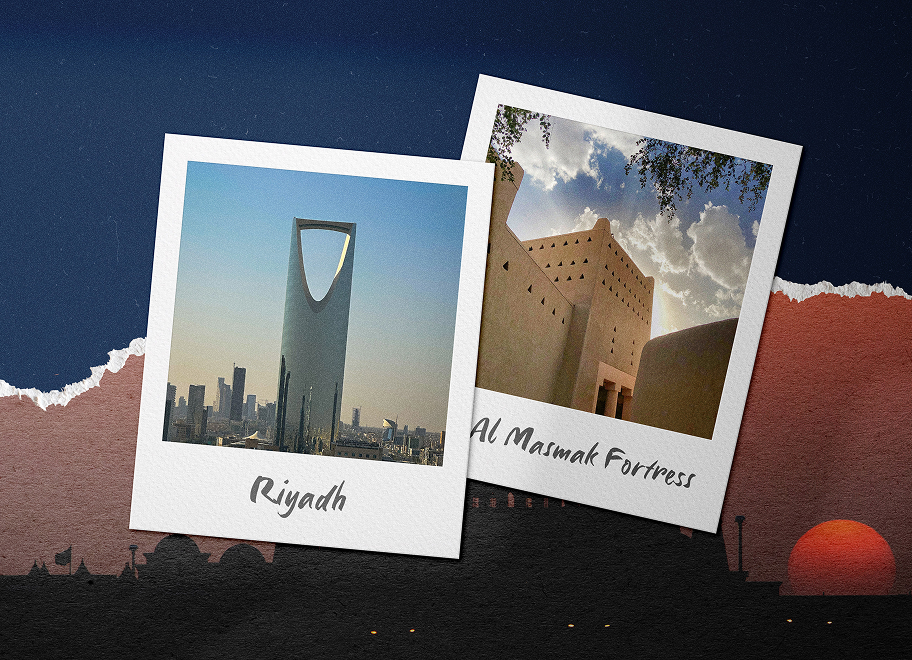
Why is there so much Canadian attention on Saudi Arabia? Dan Herman breaks it down in this blog.
.avif)
As Canada looks to diversify its trade and investment partners around the globe, it’s natural for Government Ministers to host trade missions abroad. Talk to Embassy staff around the world and they’ll tell you that getting one or two visits is great, three, exceptionally rare.
How about six? Unheard of!
Well, that’s what got my attention about Canada’s evolving relationship with the Kingdom of Saudi Arabia (KSA). Since January, five federal ministers have visited for official government business, and PM Carney joined them with his July 2026 visit. Six senior Canadian government visits in seven months.
The PM’s visit focused on energy, critical minerals, defence and infrastructure, and concluded with the signing of a memorandum of understanding between the two countries on AI and Digital innovation.
Why so much Canadian attention on Saudi Arabia?
First, Vision 2030. Launched in 2016, Vision 2030 is the KSA’s strategy to diversify its economy away from oil and into new industries, notably tourism, technology, mining and clean energy. Note the alignment of those sectors with areas Canada has clear expertise in. The hundreds of billions of dollars in investments being made through Vision 2030 thus offer huge opportunities for firms from anywhere who engage. Canadian companies like OpenText, Cohere and Intellijoint are already doing business there, and there are clear pathways for others to join them.
It’s worth mentioning that when Vision 2030 launched, Saudi Arabia was overwhelmingly dependent on hydrocarbons. Today, the non-oil economy is expanding rapidly, while the digital economy alone accounts for 16% of GDP. It’s not surprising then that the exhibition floors at LEAP, Saudi Arabia's flagship annual technology conference held in Riyadh, were packed by domestic tech companies. I hadn’t heard of many of them despite their size. Take, for example, Humain, the government-backed AI company being built to develop sovereign AI infrastructure and models, with ambitions to list on Nasdaq. And sure, big multinational tech was in attendance too but they were largely overshadowed by domestic players in smart cities, cyber and AI.
A decade ago, Saudi Arabia’s startup ecosystem didn’t register for either Startup Genome or Startup Blink’s global rankings. Today, Riyadh ranks among the world's top 30 emerging startup ecosystems, and is growing more than three times faster than the next-fastest G20 country. Billions in government funding have catalyzed the sector, as has the use of sandboxes to test domestic innovations in everything from finance to water and energy innovations. And in so doing, Saudi Arabia is rapidly challenging the UAE's position as the Gulf's dominant technology and investment hub. Check out this great resource from @husseinattar for more detail on the Saudi startup scene.
Alongside the tech on display at Leap, what was perhaps even more impressive was to see the digital / technology approaches presented by both traditional resource companies like Aramco (Aramco Digital), and by government agencies such as the Saudi Data and AI Authority which implements public sector tech projects. Their Tawakkalna super-app provides access to over 1000 digital government services… and here I am sending in a paper form to renew my kid’s passport.
Ultimately it’s clear that the Vision 2030 focus on transformation is not just lip service, and has moved well beyond government strategy and into the operating reality of Saudi businesses and government.
All of this is made possible by those oil revenues that continue to flow. Saudi Arabia isn't transforming because it has moved beyond oil. It's using the wealth generated by oil to try to build its post-oil economy. And that brings us to the second component of Canada’s interest in the KSA - as long as oil is flowing, Saudi Arabia’s sovereign wealth fund continues to accumulate assets. Today, it’s the fifth largest of its kind in the world, with nearly a trillion dollars in assets. Unsurprisingly, it’s a target for the Canadian government as it seeks new sources of investment to fuel the transformation of Canada’s infrastructure and economy. Saudi Arabia has capital and ambition. Canada has expertise in mining, AI, clean technology, and energy. The potential complementarity is obvious.
Now, let’s be honest: Saudi Arabia is pretty foreign for most Canadians. We don’t benefit from a large diaspora to learn from, and the news we consume about the Kingdom tends to focus on oil and murky politics.
What’s it actually like there? Surprising, to say the least.
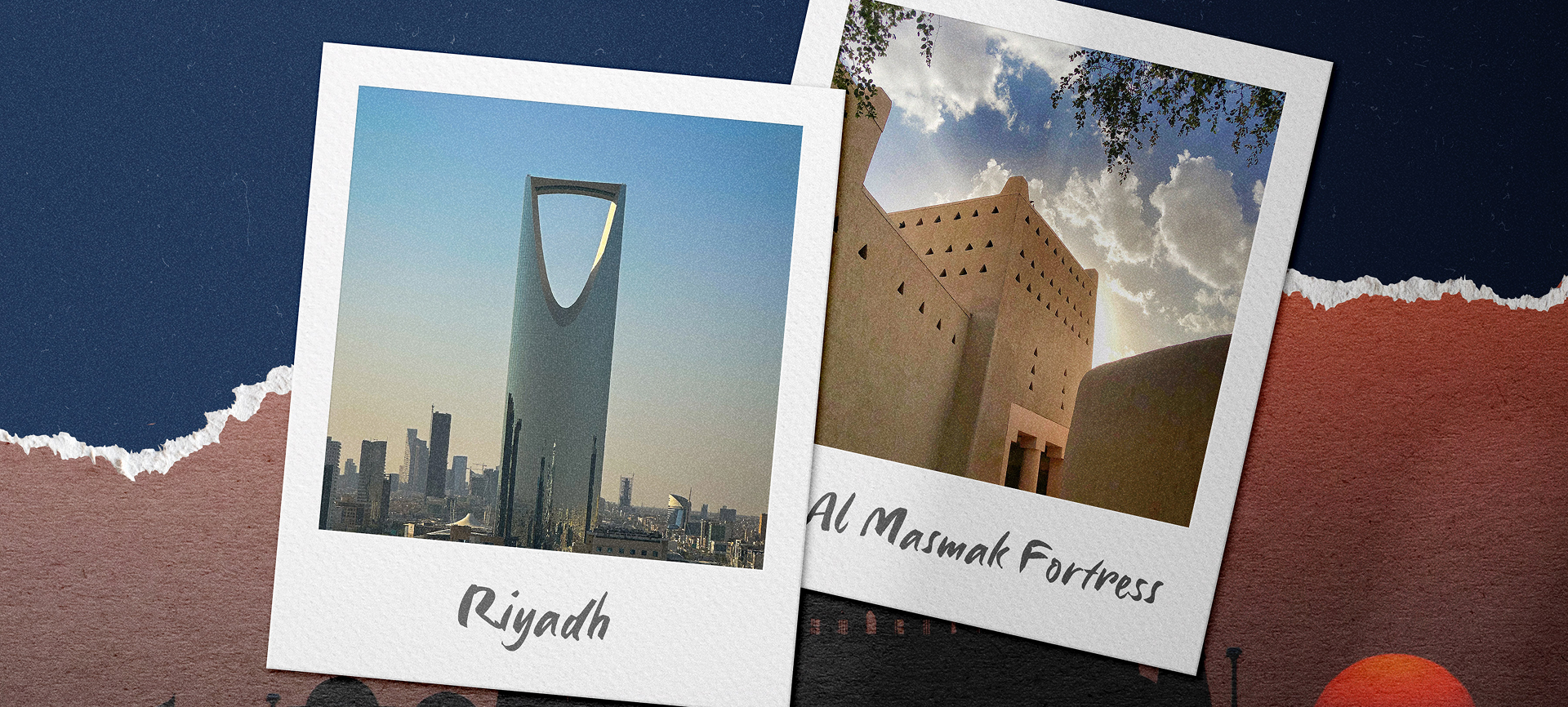
First, unlike uber-modern, glitzy Dubai or Doha, Riyadh is a mix of old and new, of modern high-rise districts beside very traditional low-rise neighbourhoods. And unlike those neighboring Gulf countries where foreign labourers represent upwards of 80-90% of the total population, in Saudi Arabia that figure is closer to 40%. As a result of these two elements, you can see and taste culture and tradition in Riyadh far more than in neighboring countries. And, again surprisingly to an outsider, women now represent more than a third of the Saudi labour force, more than double their participation rate less than a decade ago. Beyond this, I’ll save you from my fawning over their modern subway system and what seems to be an exceptionally modern healthcare system.
Now, none of this means Saudi Arabia’s transformation should obscure questions around rights and freedoms. But understanding a country is a prerequisite to building a productive relationship with it. As Prime Minister Carney argued during his visit, “lecturing countries from afar is an ineffective strategy.”
Which brings me back to those five Canadian Ministerial visits. They aren't really about Saudi Arabia. They're about Canada. As Canada looks beyond its traditional economic relationships, we need to understand where capital is accumulating, where new industries are emerging and where governments are making enormous bets on the future. Saudi Arabia is doing all three.
The question for Canada isn't whether Saudi Arabia is changing. It clearly is. The question is whether Canadian companies and investors will be part of that transformation, or, as usual, watch from the sidelines.