
Dedicate explicit time, space, and resources for exploration. In environments focused on daily execution, there’s rarely spare capacity for innovative thinking unless it’s explicitly sanctioned and resourced. Whether it’s through dedicated innovation labs, structured sprint programs, hackathons, or simply allocating a percentage of employee time for exploratory projects, leadership must make it clear that this work is valued.


In the business world, innovation is the key to staying relevant and competitive. However, in many larger organizations, bureaucratic structures and processes can stifle creativity and slow down progress. This series aims to explore how leaders navigate and overcome the challenges posed by big business environments to bring fresh, transformative ideas to life. As part of this series, we had the pleasure of interviewing Sarah Mostowich.
Sarah Mostowich is the Head of Innovation at NorthGuide, leading innovation strategy, program design, and international ecosystem-building. She specializes in aligning partners, fostering collaboration, and applying private-sector principles such as agility, customer-centricity, and data-driven decision-making to help governments, corporations, and ecosystem organizations adapt, execute, and scale. Sarah has led high-profile innovation initiatives with organizations including Health Canada, the Inter-American Development Bank, the Government of Barbados, Canada’s Ocean Supercluster, the Rideau Hall Foundation, and Vinnova — Sweden’s innovation agency. She has implemented collaborative innovation models, developed national economic development strategies, and built frameworks to drive industry transformation. Previously, she helped launch and scale corporate innovation programs with Communitech, working with organizations like General Motors, the Canadian Armed Forces, Fairfax Financial, Manulife, and Interac. With a background in Systems Design Engineering, Sarah combines technical expertise with a systems perspective to help organizations and jurisdictions navigate complexity and move quickly from strategy building to implementation.
Thank you so much for joining us in this interview series. Before we dive into our discussion about Innovation inside Big Business, our readers would love to “get to know you” a bit better. Can you share with us the backstory about what brought you to your specific career path?
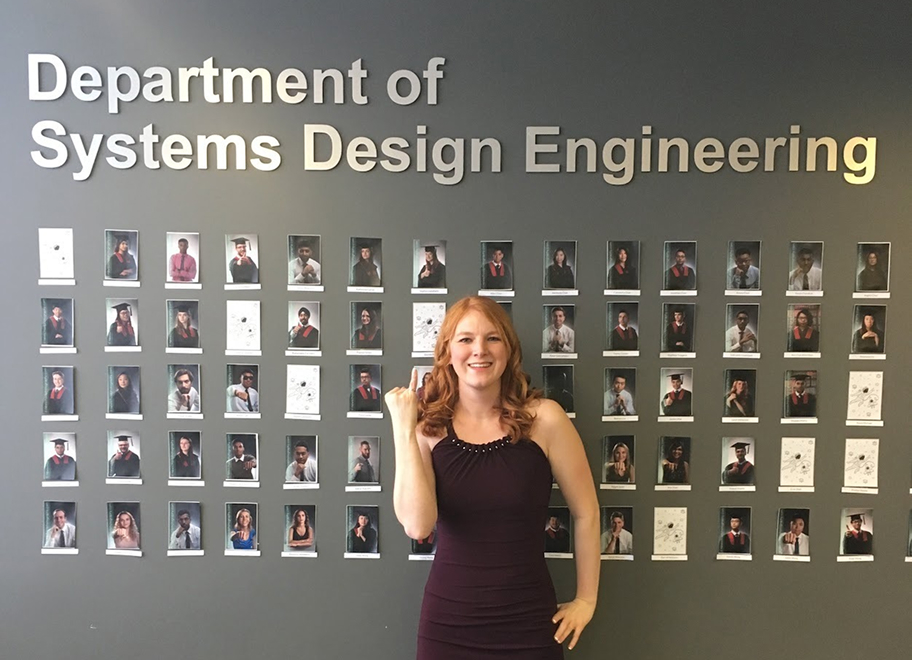
My path really started to emerge during my Systems Design Engineering studies at the University of Waterloo. A pivotal experience was a co-op term at General Motors’ Innovation Lab. I saw firsthand how the problem-solving frameworks from my engineering background could bring immense value, especially in large organizations where there’s often a rush to solutions without deeply understanding the problem first.
That insight sparked an idea: what if I could be an ‘innovation SWAT team,’ parachuting into different companies to help them apply design thinking, validate ideas, and bring them to market? This led me to start as an independent innovation consultant. I had the chance to work with some of Canada’s largest organizations including banks, insurance companies, and the Canadian Armed Forces, helping them embed these new ways of thinking and working.
Ultimately, my desire to tackle systemic challenges and build something with a broader, lasting impact led me to co-found NorthGuide. We’re focused on applying those same innovation principles to help build resilient economies, strong industries, and enduring organizations — essentially scaling the impact I’ve always been passionate about.
Can you share the most interesting story that happened to you since you started your career?
One story that really stands out began with a voicemail completely out of the blue. It was Iain Klugman, who was the CEO of Communitech (an organization that I was working with on corporate innovation) at the time and had just been appointed a strategic advisor to Health Canada during the early days of the pandemic. He didn’t mince words: “Sarah, I need your help. We have to deploy over 30 million rapid tests across the country, really fast. We’re going to save Canada, and we’re going to save some lives.”
I have a tendency to jump into the deep end, sometimes with more enthusiasm than initial background on the full scope — and this was definitely one of those moments! The scale and the stakes were significant, but the urgency was clear. How could I say no to a challenge like that? So, I said yes, ready to figure it out as we went.
The core issue was that rapid tests were highly regulated, needing professional supervision, but the goal was to get them into everyone’s hands. My team and I effectively became a rapid innovation unit — a testbed and a disruptor. We quickly developed practical solutions, like the StaySafe guide giving businesses a blueprint to implement rapid testing programs, and then tackled the enormous distribution challenge. We piloted a model with Chambers of Commerce, starting locally in Waterloo Region, ironed out the complexities, and then created a playbook model that scaled across Ontario and other provinces.
It was a whirlwind of learning, adapting, and intense problem-solving. But that initial leap of faith, jumping in when the path wasn’t fully clear, led to a system that significantly broadened access to rapid tests nationwide. For me, it was a validation that sometimes the biggest impacts come from embracing ambiguity and having the confidence to build the plane while flying it, especially when the mission is critical.
Iain eventually became one of my business partners starting NorthGuide, so this project was a big step on the path that led me to where I am today!
I’m excited to celebrate your success with you today. Which three character traits do you think were most instrumental to your success? Can you please share a story or example for each?
Thank you! It’s always a journey. If I had to pick three traits, I’d say:
Ok, thank you for that. Let’s now jump to the primary focus of our interview. What specific approaches have you employed to encourage innovative thinking within big business?
I think the most important thing is clearly articulating the imperative for innovation — the why and why now. This is important especially at executive levels in the organization. I do this by illustrating the reward/risk dynamic.
On one hand, I highlight the tangible opportunities: new markets we can capture, efficiencies we can gain, how we can better serve our customers, or the significant positive impact we can achieve. Most recently, given the turbulent geopolitical and economic times we’re living in, I highlight how innovative thinking can address key business problems that are keeping leaders up at night. This includes things like AI solutions that deliver immediate cost/time savings, tools that highlight supply chain vulnerabilities, R&D projects with external partners that spread the cost or risk of innovation, or targeted development programs that upskill your workforce.
On the other hand, I’m candid about the existential risks of stagnation — being outpaced by current competitors, disrupted by new companies, becoming irrelevant to evolving customer needs, or missing out on transformative shifts in the industry. As much as possible, I tie these to direct potential outcomes on the organization — “You will lose XX% of market share” or “You won’t attract the talent you need to do Y.”
This combination builds the understanding that innovation isn’t just a nice-to-have. It brings new thinking to the challenges you’re dealing with, unlocks new opportunities, and is essential in building a sustainable, resilient, and future-proofed organization.
Can you share a success story where an innovative idea was implemented successfully despite organizational bureaucracy?
One of my most rewarding challenges was a five-year journey aimed at embedding innovation within the Royal Canadian Air Force. When I began, I encountered the classic bureaucratic barriers: “This is how we’ve always done it,” “We’ve tried before and failed,” and the ubiquitous “There’s too much red tape to get new ideas through.”
Rather than attempting a dramatic overhaul, we strategically started with small wins. We identified incremental process improvements that didn’t require extensive approvals but delivered immediate time savings for personnel. These early successes created crucial momentum. At the same time, we introduced Design Thinking programs and short innovation sprints. This built innovation mindsets — equipping people with a new toolkit and a different way of problem-solving.
As we built credibility and enthusiasm, we began to address more significant projects — like pilot retention, leadership training, and aircraft maintenance planning. A key part of our work here was helping the RCAF look externally to see that not all of their challenges were unique to the military context. Many organizations in the for-profit sector face issues like process optimization, talent retention, workforce development, and hardware maintenance. This reframing was important. It helped shift the perspective from ‘our problems are unique and intractable’ to ‘these are solvable challenges others have faced and overcome.’
Over time, the culture visibly shifted. Departments that were initially hesitant began proactively approaching the innovation team, eager to have their problems tackled next. People were energized and members actively wanted to participate in innovation sprints.
This reinforced to me that innovation transformation isn’t one big idea that changes everything. It’s a steady stream of quick wins, building skills, and shifting mindsets that leads to broader change.
How do you maintain a balance between necessary organizational processes and the freedom needed for innovation?
Finding the sweet spot between process and innovation comes down to a fundamental shift in mindset: focusing on outcomes rather than outputs. When an organization becomes obsessed with the “what” (reports generated, meetings held, approvals secured), people focus on consistent execution because it produces predictable results. When they focus on the “why” (customer problems solved, efficiency gained, value created), there’s more freedom for innovation. There are many possible ways to get to the outcome so teams are empowered to find better ways to get there.
It’s also important to create time and space for innovation. Various organizations do this differently and I’ve seen both extremes fail. The “innovation is everyone’s job” approach often results in innovation being nobody’s priority, while isolated innovation labs create brilliant solutions that never integrate with core operations. The most successful organizations I’ve worked with use a hybrid model. They provide some time for people to innovate in their own roles — which tend to result in incremental innovations such as process changes and smaller optimizations. It also creates space for more disruptive ideas to be explored. Central to this is a governance structure for evaluating and nurturing promising ideas. This should include a clear process for reviewing concepts from across the organization against consistent criteria: potential impact, preliminary results, and strategic alignment. This ensures that promising ideas receive the appropriate resources and attention while allowing ideas that don’t align to “fail fast”.
What role do leadership and management play in fostering an environment conducive to innovation in a traditionally structured setting?
I see leadership and management as being critical to setting the conditions for innovation success. This falls into a few areas.
It starts at the top with a clear vision. Leaders must define what innovation means for the organization and why it’s critical, ensuring this innovation strategy is not an isolated initiative but is deeply intertwined with the overall business strategy. This provides direction and purpose, aligning efforts across the organization.
Leaders also establish the governance and process — two words that often make people think of red tape — but are crucial for innovation success. Clear, lean governance helps everyone understand how innovation projects are initiated, evaluated, and resourced. Leaders need to have consistent answers to questions like: What are the evaluation criteria for new ideas? Who decides if a project moves forward, and based on what? If an idea is approved, what resources and support can it expect? In the process, I often advocate for a stage-gated approach, for example, where projects are reviewed at key milestones — from idea to proof-of-concept to pilot — before further investment. This structure should be designed to facilitate progress, providing the necessary time, space, and resources for teams to explore, iterate, and pilot their ideas.
Beyond strategy and process, leaders are the primary shapers of innovation culture — and they need to lead by example. This means:
Leaders also play a key role in looking outwards. They should actively foster connections with external partners, startups, research institutions, and broader innovation ecosystems. This injects fresh perspectives, new technologies, and collaborative opportunities that can significantly accelerate internal innovation efforts.
What is the role for outside companies such as a vendor or a customer to bring innovation to big business without causing resentment from those who feel comfortable and safe wrapped up in all the red tape?
External companies — be they vendors, customers, or other ecosystem partners — are indeed incredible catalysts for innovation within big business. The greatest benefits arise when organizations work collaboratively with these external entities, not just passively receiving ideas. Setting up projects as joint efforts with shared goals and mutual benefits is key. In fact, I believe collaborative innovation is the way of the future, offering powerful advantages such as:
Now, to truly harness these compelling benefits and ensure that external collaborations are embraced rather than resisted — especially by those comfortable with the status quo — requires a deliberate and thoughtful approach from the host organization.
First, before external ideas can land well, the internal ground must be fertile. This starts with leadership clearly articulating that external collaboration is a strategic priority, not a last resort or a sign of internal failing. There must be an expressed willingness from the company to engage with innovation in this way. Leaders need to champion the idea that inviting outside perspectives helps everyone achieve the organization’s goals more effectively.
Second, this thoughtful approach continues with being intentional about seeking external collaboration. Organizations should first clearly define strategic areas where external input would be most valuable. Proactive outreach can then identify the most promising partnerships, whether by inviting existing partners to engage differently through co-development, or by connecting with new players like academic researchers or startups via established innovation ecosystems. Crucially, involving internal teams in defining these focus areas and even in selecting partners is paramount. This participation transforms internal employees from passive observers into active co-owners of the initiative, significantly reducing potential friction and fostering a sense of shared purpose.
Finally, the role of outside companies should always be positioned as augmenting internal capabilities, offering fresh perspectives, or providing specialized expertise that complements the existing talent. The message should be about making internal teams more successful, not about outsourcing their thinking. When approached this way — with clear strategic intent, inclusivity, and a focus on genuine partnership — external collaborations are far more likely to be seen as valuable assets that help navigate complexity and achieve breakthroughs, rather than threats to established norms.

Ok super. Here is the main question of our interview. Based on your experience and research, can you please share “5 Strategies for Fostering Innovation inside the Bureaucracy of Big Business?” If you can, please share a story or an example for each.
1 . Align innovation with strategic outcomes, not just prescribed outputs. Too often, innovative ideas get dismissed in large organizations because they don’t seem to fit the current operational plan or output-focused KPIs. Effective leadership ensures the overarching business strategy explicitly calls for innovation and defines success in terms of desired outcomes. This gives teams the clarity and permission to explore novel paths to achieve those outcomes, rather than just ticking off a list of predefined tasks.
2 . Forge external partnerships and actively engage with innovation ecosystems. Bureaucracies can become insular, reinforcing an ‘echo chamber’ that stifles fresh thinking. Bureaucracies can easily become insular, reinforcing an ‘echo chamber’ that stifles fresh thinking and slows down progress. Proactively building relationships and collaborating with external entities — such as startups, academic institutions, customers, or even partners in other industries — injects vital new perspectives, cutting-edge technologies, and agile ways of working that can be difficult to cultivate internally.
In Canada, we’re seeing programs like the Global Innovation Clusters driving and enabling this kind of cross-sectoral collaboration. Consider the Air Sea Ocean Monitoring System Project recently funded by Canada’s Ocean Supercluster. This initiative has brought together five industry partners from across the country to collaborate on developing advanced AI-enabled data services for marine monitoring applications. For these five partners, working together offers significant advantages that would be difficult for any one of them to achieve independently: accelerated development, de-risked investment in innovation, and enhanced market access. Regardless whether it’s facilitated through an organization like one of the Global Innovation Clusters or executed more autonomously, there’s huge value in working with partners on shared innovation opportunities.
3 . Cultivate internal innovation capability. Innovation can’t be solely top-down or outsourced; it needs to become an organizational competency. This involves identifying, training, and empowering a network of ‘innovation champions’ throughout the business who can advocate for new approaches, guide colleagues, and navigate internal systems. It’s about building the ‘muscle’ for sustained innovation. This was something I saw clearly with the Royal Canadian Air Force as I mentioned before. A huge win wasn’t just the specific solutions developed, but the cultivation of an innovative mindset and toolkit within their personnel. After individuals participated in focused innovation sprints — where they learned design thinking and agile methods to tackle a specific operational challenge — they returned to their regular roles equipped to share those learnings with others.
4 . Dedicate explicit time, space, and resources for exploration. In environments focused on daily execution, there’s rarely spare capacity for innovative thinking unless it’s explicitly sanctioned and resourced. Whether it’s through dedicated innovation labs, structured sprint programs, hackathons, or simply allocating a percentage of employee time for exploratory projects, leadership must make it clear that this work is valued.
5 . Find ways to get your innovative thinkers together on a regular basis to brainstorm. When someone shares a new idea and the response is “huh, that’s cool”, there’s nowhere for it to go. Instead provide forums for interested people to share early ideas, give one another feedback, and continue to brainstorm together. Create an environment where new ideas are met with “Have you thought about this?”, “What if you tried it this way instead?”, or “This is how I’ve been approaching a similar problem”. The magic happens when creative people build on one another’s ideas.
How do you measure the success of innovative initiatives inside big business, and what challenges have you faced in this evaluation process?
Measuring innovation success in large organizations is a bit like trying to evaluate the health of a forest. You can’t just count the number of mature trees — you need to understand the entire ecosystem. Similarly, innovation measurement requires a holistic approach that captures both immediate results and long-term potential.
Effective measurement systems track many different dimensions across the innovation continuum including:
The biggest challenge for organizations is in tracking all of these dimensions individually and knowing how to bring them together to provide a clear picture of your overall innovation health and success. This is something that NorthGuide helps clients with all the time.
You are a person of great influence. If you could start a movement that would bring the most amount of good to the most amount of people, what would that be? You never know what your idea can trigger. :-)
If I could start a movement, it would be to champion Applied Systems Thinking in our everyday lives and decision-making. It’s really just about pausing before we act to ask, “Wait, how might this decision play out beyond what I can see right now?” I’ve been trained to see the world as a series of interconnected systems. And I believe that a lack of this perspective is at the root of so many challenges we face.
This goes from the simple everyday interactions — like dropping litter on the street, or posting a harsh comment online — to the more complex — like using an AI algorithm without considering the potential data biases, or community initiatives with adverse effects on a small population.
For everyday actions, it’s a simple pause for reflection. For more complex decisions, especially in policy, technology, or business, it involves a deeper commitment to map out potential impacts, consider diverse perspectives, and consciously evaluate the trade-offs.
If more people and organizations consistently applied this lens, I think we’d see more sustainable practices, more ethical technology, more thoughtful communication, and more effective solutions to complex societal problems. It’s about reminding people of their responsibilities as intentional architects of the world we share.
How can our readers further follow you online?
LinkedIn — Sarah Mostowich
LinkedIn — NorthGuide
Website: www.northguide.ca
Thank you for the time you spent sharing these fantastic insights. We wish you only continued success in your great work!
About The Interviewer: Vanessa Ogle is a mom, entrepreneur, inventor, writer, and singer/songwriter. Vanessa’s talent in building world-class leadership teams focused on diversity, a culture of service, and innovation through inclusion allowed her to be one of the most acclaimed Latina CEO’s in the last 30 years. She collaborated with the world’s leading technology and content companies such as Netflix, Amazon, HBO, and Broadcom to bring innovative solutions to travelers and hotels around the world. Vanessa is the lead inventor on 120+ U.S. Patents. Accolades include: FAST 100, Entrepreneur 360 Best Companies, Inc. 500 and then another six times on the Inc. 5000. Vanessa was personally honored with Inc. 100 Female Founder’s Award, Ernst and Young’s Entrepreneur of the Year Award, and Enterprising Women of the Year among others. Vanessa now spends her time sharing stories to inspire and give hope through articles, speaking engagements and music. In her spare time she writes and plays music in the Amazon best selling new band HigherHill, teaches surfing clinics, trains dogs, and cheers on her children.



WATERLOO | OTTAWA | NEW YORK
© 2026 NorthGuide. All rights reserved.
NorthGuide® is a registered trademark in Canada and the U.S.

.avif)